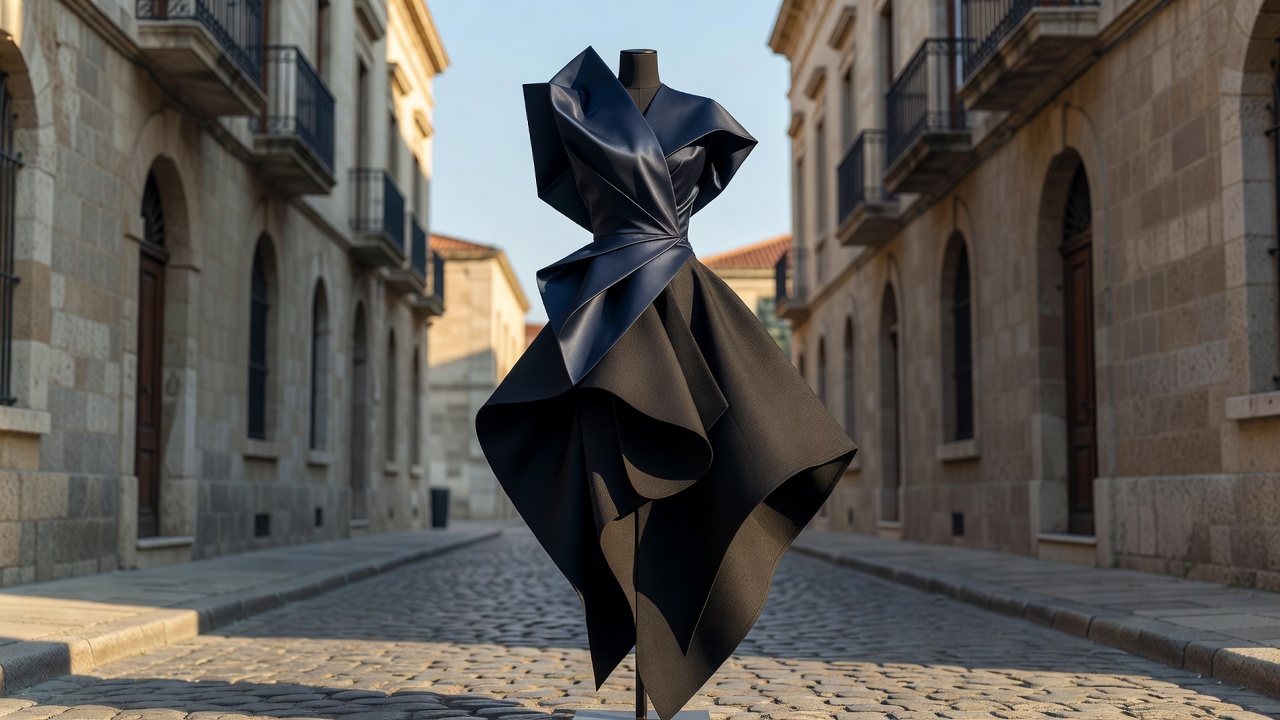
The red carpet turns a moving person into a series of selected images. A look must negotiate standing, walking, lighting, photographers and the setting of the event. That makes it a useful subject for fashion analysis, but a poor shortcut to someone’s personality. We can discuss a garment’s proportion without assigning confidence, happiness or rivalry to the person inside it.
Separate the event from the mythology
The Cannes Film Festival, the Venice International Film Festival, the Academy Awards and the Metropolitan Museum of Art’s Costume Institute Benefit are not interchangeable stages. A film premiere promotes a work; an awards ceremony recognises an industry; a museum benefit has its own institutional context. Check an event’s official information before describing its rules or theme. A dress code, an exhibition title and a commentator’s preferred interpretation are different things.
Publicity photographs also compress time. A single image can hide a trailing hem, a second layer or the way fabric settles between steps. Compare a front view with a side view and, when available, footage from the same appearance. A pose that looks awkward in a fraction of a second should not become an argument about someone’s body.
Describe before you judge
Begin with the largest relationship: upper-body volume against the lower half. Then look at the waist placement, neckline, hem and amount of exposed skin. A broad shoulder above a narrow column creates a different balance from a small bodice above a full skirt. Neither needs to be called universally flattering. The useful question is what the arrangement emphasises and how consistently the accessories support it.
Next, notice the surface. Matte cloth can let shape lead; shine can make every fold more visible. Embroidery may read as a continuous field from a distance but become intricate at close range. These are visual descriptions, not guarantees of quality. A photograph alone rarely establishes fibre content, construction method or how comfortable a garment felt during the evening.
Credit the collaboration without inventing it
Stylists such as Law Roach and Elizabeth Stewart have helped make styling a visible part of public fashion conversation. Their names should still be attached only to appearances for which their involvement is confirmed. The same care applies to designers, jewellers, makeup artists, hair professionals and tailors. A recognisable aesthetic is not a substitute for a credit.
Loans, custom pieces, archival garments and purchased clothes can all appear in public dressing. Unless a reliable statement explains the arrangement, do not assume ownership, payment or a commercial contract. “Archival” deserves particular care: an older-looking dress is not necessarily an archive loan, and a new interpretation of a historic design is not automatically the original garment.
A reference is not always a quotation
Giorgio Armani, Christian Dior, Yves Saint Laurent and Cristóbal Balenciaga belong to different design histories. A tuxedo, sculptural volume or sharply defined waist can evoke those histories without proving a direct citation. If a designer or stylist names an influence, attribute it. If you see a resemblance yourself, call it a resemblance. That small change in wording protects an interesting observation from becoming a false production fact.
The same rule applies to film references. A performer wearing a colour associated with a current role may be participating in a documented promotional concept—or may simply be wearing that colour. Describe the visible connection, then state the limit of the evidence. Good criticism does not need a secret message hidden in every accessory.
Take home one relationship
The practical value of a carpet appearance is usually structural. You might borrow a long uninterrupted line, a single metal finish, or the contrast between an oversized jacket and a delicate shoe. Translate that relationship into clothes suited to your weather, movement and budget. There is no obligation to recreate the label or the occasion.
Try the idea in ordinary light, then walk, sit and carry your usual bag. If the look only works while motionless, it may remain a useful image rather than a useful outfit. That is not a failure. Some clothes are excellent public theatre; your own wardrobe is allowed to have a different job.
Context checks: consult the Festival de Cannes, La Biennale di Venezia, Academy and Metropolitan Museum of Art for their own event and institutional information.